-
 The plan called for the removal and relocation of a single-family home on Washington Street that was constructed in 1739. A credit union was approved for the adjoining parcel.
 -
 Nearly 250 years ago, Arnold – one of this country’s most notorious traitors – burned New London to the ground. Each September, hundreds of people gather on the streets of New London to return the favor, by burning him in effigy.
 -
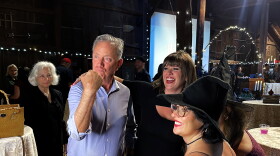 Visitors can make stops at more than 130 “supernatural” sites.
 -
 In late 18th-century New England, flax was a mainstay on families’ farms. Women and children would have spent weeks processing it into linen, then a staple fabric. Every year, Burlington’s Ethan Allen Homestead Museum takes visitors back to this late-summer ritual.
 -
 The memorial will be unveiled on the 25th anniversary of Sept. 11. It honors the lives lost in the attacks, including four people with ties to Dover.
 -
 Adam J. Lewis was working at the twin towers as a trader on the day of the attack. To honor his legacy in the years since, his family has built a school that bears his name.
 -
 Local conservationists have been working on a plan to protect and observe birds during the 4-day long tribute.
 -
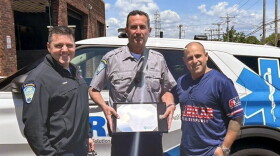 Scott Montellaro was a paramedic working out of the American Medical Response (AMR) office in New Haven on 9/11. When Montellaro heard the attacks, he rushed down to New York.
 -
 Connecticut artist Robert Carley has traveled to 46 states photographing the creative ways Americans have displayed the flag since the Sept. 11 attacks. A new exhibit in Norwich features about 150 of those images.
 -
 Many Muslims in Massachusetts say they still feel a need to defend their religion and patriotism.

© 2026 Powered by New England News Collaborative
New England stories from the region's top public media newsrooms & NPR
Play Live Radio
Next Up:
0:00
0:00
Available On Air Stations


