-
 Brookline firefighters went through an immersive training program at The Newbury senior living community to learn how to be more patient when working with people with memory loss.
 -
 There are over 57,000 caregivers in New Hampshire. By 2030, over one-third of New Hampshire’s population will be over 65, and the rates of Alzheimer’s disease and dementia are rising.
 -
 Approximately 3,200 noncitizens in the state will lose their insurance coverage due to changes in federal eligibility rules.
 -
 The grant will fund a new observatory at the University of Vermont to help scientists research and better understand how brains and nervous systems work.
 -
 The Hispanic Health Council, in collaboration with Hartford Hospital, launched its doula program to bridge access gaps after Connecticut Medicaid began reimbursing doulas for their work.
 -
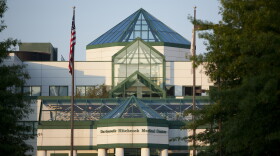 Dartmouth Health’s news came the very same day as University of Vermont Health said it would eliminate nearly 200 positions.
 -
 It's been almost a decade since federal health officials first issued a warning about the herbal product kratom, promoted as a safe alternative to opioids for pain. It remains readily available in stores. Massachusetts and Springfield officials are taking action.
 -
 Generation Farm in Concord, NH is selling out of greens every week to meet the demand for local lettuce. Their two-person operation grows a variety of greens, which they sell wholesale to local restaurants and co-ops.
 -
 Researchers at the University of Vermont are part of an international team that says it’s figured out how it is that bats manage to live so long and so well. They say their findings could someday help humans live longer, healthier lives too.
 -
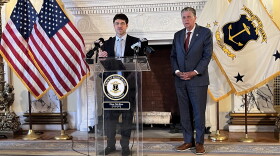 McKee hopes to propose another $16.5 million for Medicaid payments as the state tries to become more competitive in attracting physicians

© 2026 Powered by New England News Collaborative
New England stories from the region's top public media newsrooms & NPR
Play Live Radio
Next Up:
0:00
0:00
Available On Air Stations


