-
 Nashua-based educator Priscilla Colón is leading an effort to teach the Taíno language, once spoken across the Caribbean, to new generations.
 -
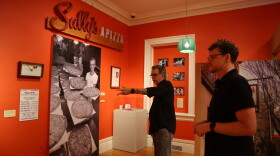 After years of research and collaboration, a group of pizza enthusiasts in New Haven is trying to keep the passion alive through a museum exhibition.
 -
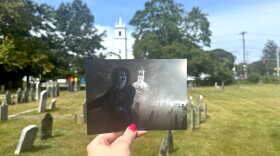 These 10 locations across the Ocean State have shared the screen with some of Hollywood’s biggest stars
 -
 Connecticut artist Robert Carley has traveled to 46 states photographing the creative ways Americans have displayed the flag since the Sept. 11 attacks. A new exhibit in Norwich features about 150 of those images.
 -
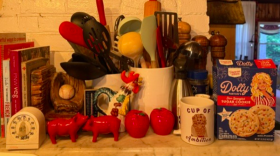 “I think, in that way, you know, people in New Hampshire can really recognize something in her,” Maynard said in a recent interview.
 -
 The Portsmouth venue has been looking for a new leader since last November.
 -
 For nearly five decades, Chan’s has paired Chinese food with live jazz and blues, earning the Woonsocket institution a reputation far beyond Rhode Island
 -
 New Haven area singer-songerwriter and music educator Liz McNicholl died last month.
 -
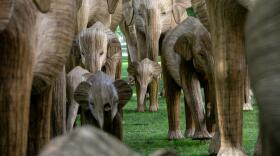 The sculptures are part of a touring public art exhibition called The Great Elephant Migration. The herd will stay on Commonwealth Avenue Mall through Sept. 13.
 -
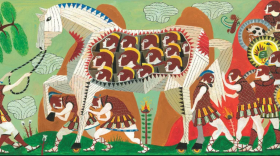 Even professors of classic literature enjoy a night out at the movies, and when it comes to the retelling of one of the most famous Greek poems, no matter their opinion of Christopher Nolan's latest film, they agree — the conversation about ancient texts has never been hotter.

© 2026 Powered by New England News Collaborative
New England stories from the region's top public media newsrooms & NPR
Play Live Radio
Next Up:
0:00
0:00
Available On Air Stations


