-
 The intersection of Washington Street and Inner Belt Road in Somerville is the site of a little-told Black history event that happened about two decades before Paul Revere's ride, that centers on an enslaved man named Mark.
 -
 As part of The United States of America’s 250th anniversary, all 50 states contributed items to a time capsule that was buried at Independence National Historical Park in Philadelphia over the holiday weekend.
 -
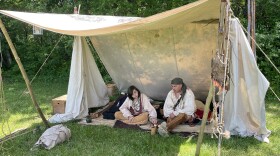 After nearly two centuries of disrepair, the Fort at No. 4 in Charlestown was rebuilt in the 1960s as an interactive, open-air museum dedicated to preserving local heritage.
 -
 The "Independence Tree" was planted in 1776 outside the Moffatt-Ladd House in Portsmouth by William Whipple, soon after he signed the Declaration of Independence.
 -
 The exhibit showcases the perspectives of colonists grappling with independence from British rule; it highlights Springfield's contribution to the American language through its association with Merriam-Webster and explores Springfield's emergence as a center of industrial innovation.
 -
 This year, the nation's 250th birthday, has been busy for historical reenactors. And in a time when how history is taught is up for debate, these buffs see their work as more important than ever.
 -
 Virtual WayBack allows users to talk with their AI replicas in real time on their website.
 -
 A University of New Hampshire professor who is the leading U.S. expert on oxen explains why these animals were so vital to early American settlers and patriots.
 -
 As America prepares to celebrate its 250th anniversary, one New Hampshire museum is showing off its collection of historic artifacts – centuries in the making. Here are just a few of what’s on display that might teach you something surprising about New Hampshire and American history.
 -
 Colonists debated freedom and democracy over beers at taverns like Boston's Green Dragon. The tavern hosted secret meetings where Paul Revere and others organized rebellion — including the Boston Tea Party — while patriots promoted local beer as a boycott against British imports.

© 2026 Powered by New England News Collaborative
New England stories from the region's top public media newsrooms & NPR
Play Live Radio
Next Up:
0:00
0:00
Available On Air Stations


