-
 President Trump said the dire warnings about AI were exaggerated and that "negative forces" are making claims about things that won't happen. This comes after leaders in the industry called for putting the brakes on AI development.
 -
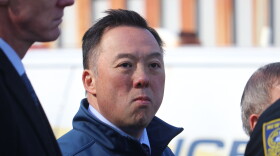 U.S. Sen. Richard Blumenthal (D-CT) and Attorney General William Tong are seeking answers after OpenAI disclosed that autonomous AI agents breached Hugging Face and tried to conceal their actions.
 -
 Will artificial intelligence nibble around the edges of the economy or upend it altogether? A new, interactive model from Anthropic lets people tests their assumptions.
 -
 A pilot program of an AI teaching model will start being used at the end of September, in a single classroom at a public middle school in Springfield, Massachusetts. Some educators see it as an opportunity to address learning challenges and engage students, while others say the decision to use this AI program was made too quickly — and independently.
 -
 In dozens of states around the country, people are vandalizing, blocking and taking down Flock cameras. A surge in such activity underscores the growing resistance to this police surveillance technology.
 -
 A study from Dartmouth found that AI can help physicians manage patient messaging, but it comes with some caveats.
 -
 Virtual WayBack allows users to talk with their AI replicas in real time on their website.
 -
 Colleges and universities are encouraging conversations about how to use AI and integrate it into the curriculum, even as some students express anxiety about how it will shape their future.
 -
 A paper in JAMA Psychiatry says mental health providers should ask if patients are using artificial intelligence chatbots, just as they would ask patients about sleep habits and substance use.
 -
 Conservators wanted to return a set of chairs to the original upholstery chosen by the museum’s founder. But all they had were some black-and-white photos.

© 2026 Powered by New England News Collaborative
New England stories from the region's top public media newsrooms & NPR
Play Live Radio
Next Up:
0:00
0:00
Available On Air Stations


